

Bass Coast’s priceless asset
What is remnant pre-European native vegetation worth, asks local resident Meryl Brown Tobin.


By Meryl Brown Tobin
What is remnant pre-European native vegetation worth?
Some argue extracting sand and gravel from the remnant pre-European native vegetation that makes up much of the biolink stretching from Nyora-Lang Lang to Grantville and beyond is providing cheap sand for Melbourne. But how much would it cost if the cost of the biolink's biodiversity, which has evolved over millions of years, were factored into the cost?
If a sand company were required after mining to rehabilitate a site to what it was before extraction took place, is the cost even calculable? Would it even be possible to rehabilitate the site to this standard?
For instance, would it be possible to reinstate wildlife if it were made locally, regionally, state-wide or nationally extinct by the removal of their habitat here?
If you had to create or recreate this virgin forest, you would need to have it evolve over millions of years and have it create ecosystems, all inter-related and where flora and fauna would be interdependent. How would you even go about it?
If you factored in the cost of the time and the ability of humans with the intelligence and expertise capable of doing such a job, if such intelligence and expertise exists, what would be a realistic price to ask for virgin forest?
The Western Port Woodlands is the biolink stretching between Nyora-Lang Lang to Grantville and beyond that locals have been fighting since 1996 to have declared a national park. It is virtually the last big stand of the 5 per cent of remnant uncleared pre-European native vegetation left in
West Gippsland. If we allow much of it to be mined for sand and gravel, what will be left of this priceless biolink, land of incalculable value, to do its bit for the environment?
Will offsets do the job? Does it make sense to you that cutting down mature forest and bulldozing the middle and under storeys and the ground cover could be compensated by and/or replaced by planting some seedlings elsewhere? Will saying we’ll count another forest elsewhere as an offset do the job that, for instance, the Western Port Woodlands are currently doing?
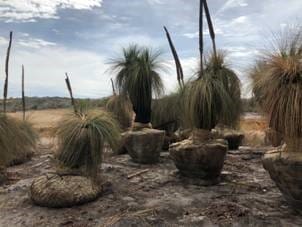
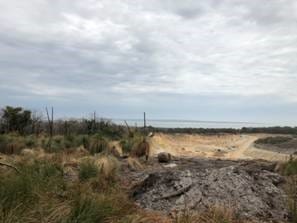
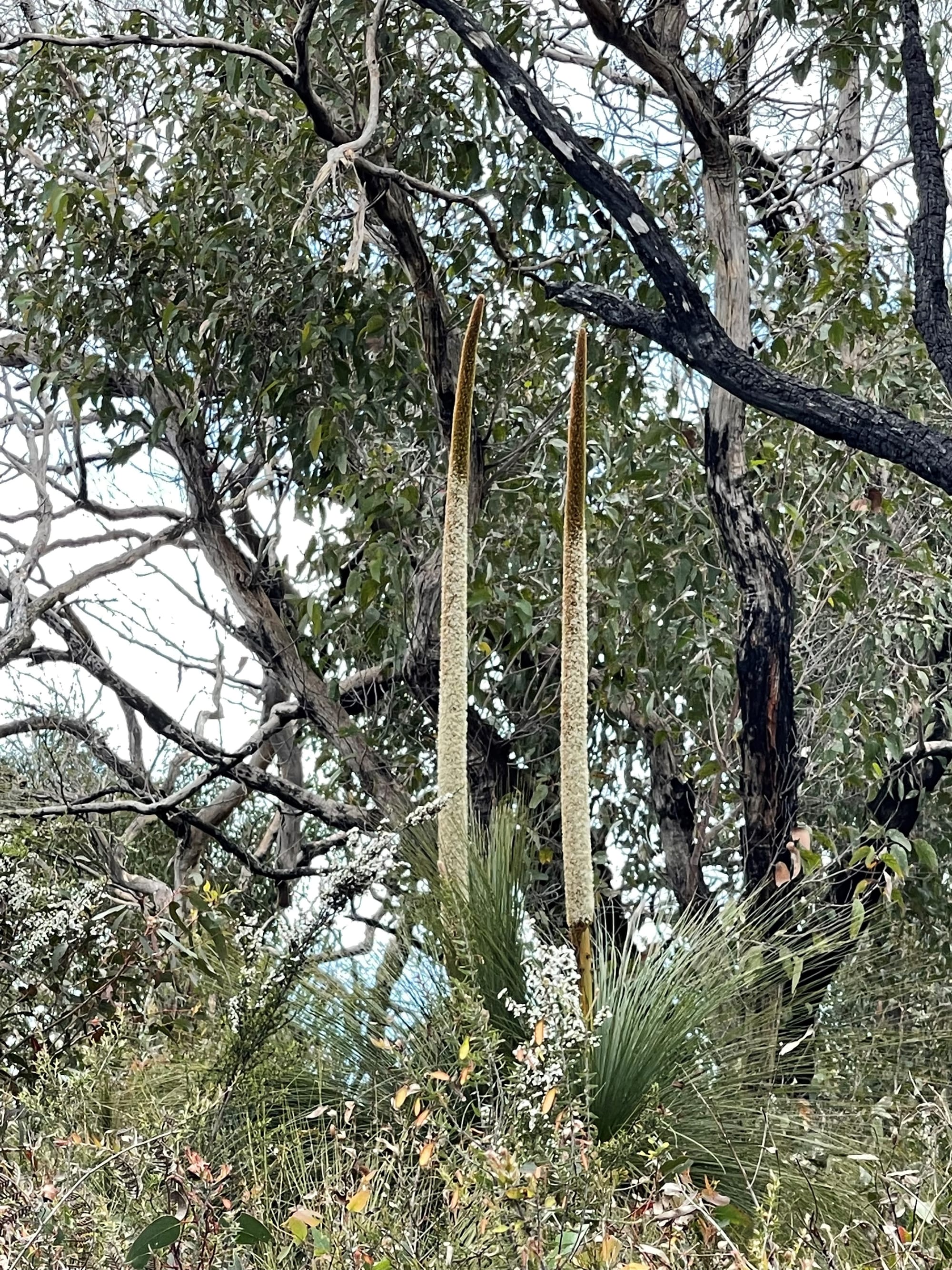
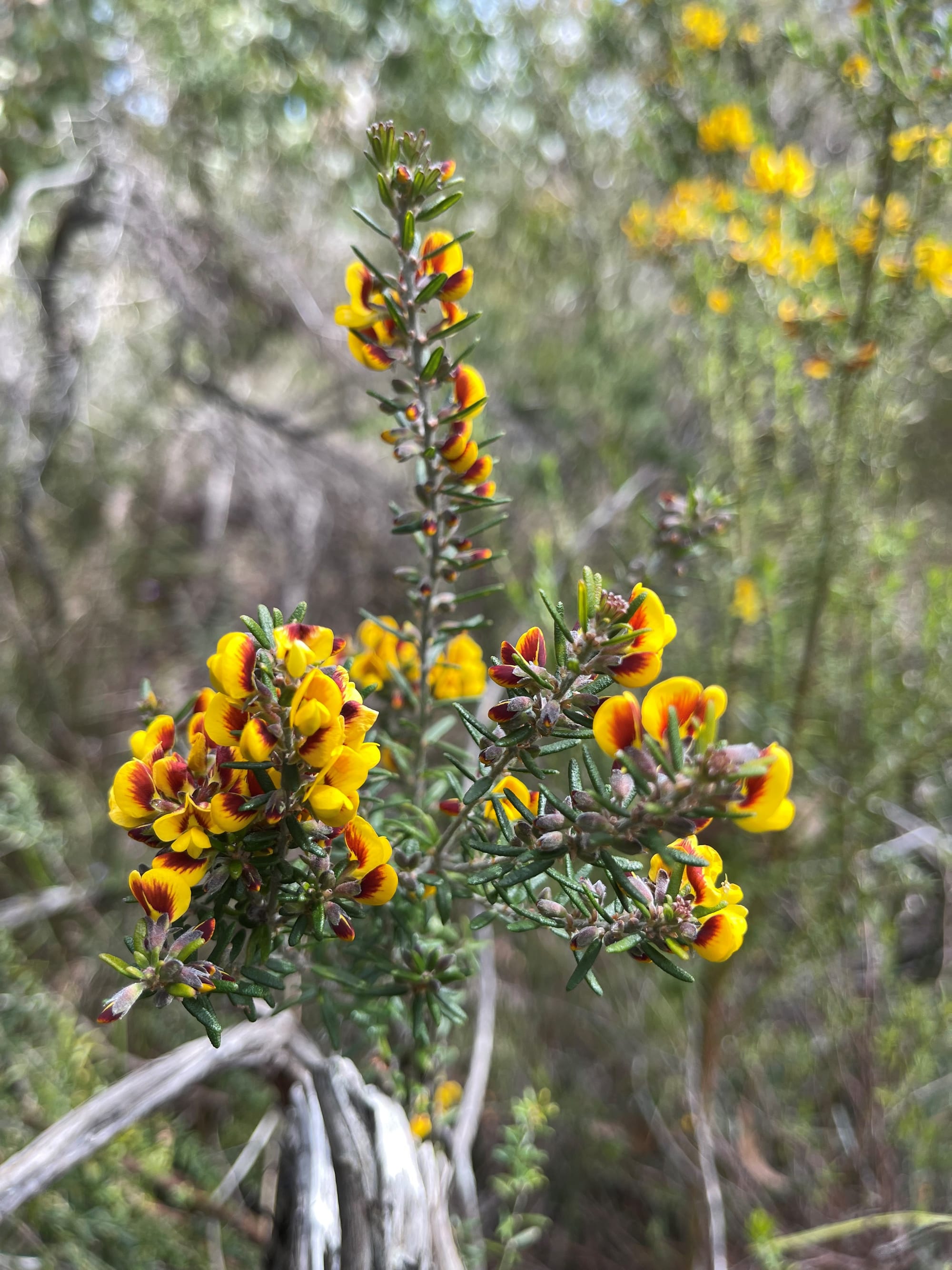
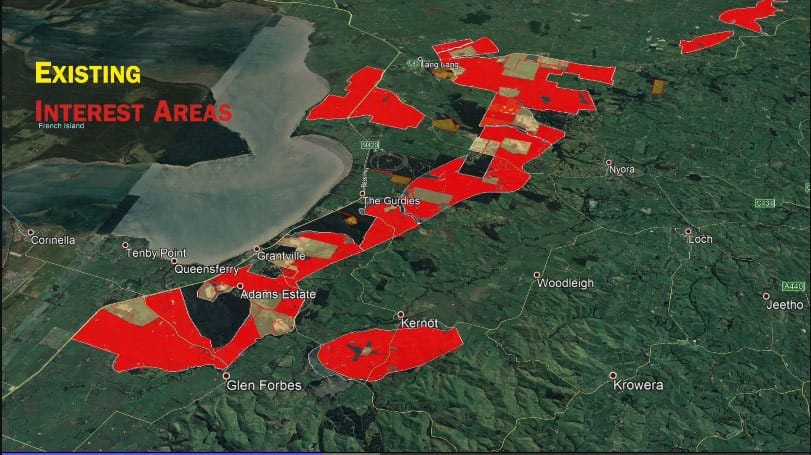
Or is it commonsense to appreciate that native vegetation and the fauna dependent on it, once wiped out, are impossible to replicate to anything like the same standard? For instance, once wiped out on sites given over to sand mining, what will happen to the over 50 species of native orchids Bass Coast locals Ron Fletcher, the late Ken Hollole and Geoff Glare found and mapped in The Gurdies and Grantville areas?
Is our fast-disappearing virgin land so cheap we should be mining it for sand or so beyond value we couldn’t put a price on it?
What is a realistic price for someone to pay to buy it or to obtain a work permit to mine it?
Are David Attenborough and top scientists correct in demonstrating our natural environment is something on which human life depends for its survival? Is it an economic, social and environmental priceless something that could go on in perpertuity? Or should we continue to take notice of those who talk about ‘balancing needs’ and ‘offsets’ and continue to destroy remnant native vegetation for the ‘cheap’ sand underneath it? Should we ignore the fact that our biolink is being incrementally and continually nibbled at and chomped away until it is unviable?
If you were running Victoria, would you be running it with the main aim to keep yourself and your party in power for the next four years and hopefully the four years after that?
Or would you have a 10 year plan, a 25 year plan, a 50 year, 100 year, 500 year plan and 1000 year and a forever plan for your state? If not, should you?
This statement appeared in the Bass Coast Shire Council’s Environment Sustainability Plan, 2008-2013: “One of the most critical local environmental issues for Bass Coast is that there is less than 10% of indigenous bush remaining from pre 1700s. There is research and a common acceptance that if there is 35% cover of native vegetation then 75-80% of species can survive, but below that level extinctions can accelerate rapidly.”
Would you take action to rectify this issue or continue to exacerbate it by digging up more remnant indigenous pre-European bush?
Is opening up our Western Port Woodlands to a massive increase in sand extraction a short-sighted fate for an environmental and economic asset of value to benefit the community indefinitely?
Would you be a ‘future-eater’, a person who eats up the resources of not only their own generation but those of future generations and who make their profit at the expense of this generation and future generations.


