

Dark days for dance
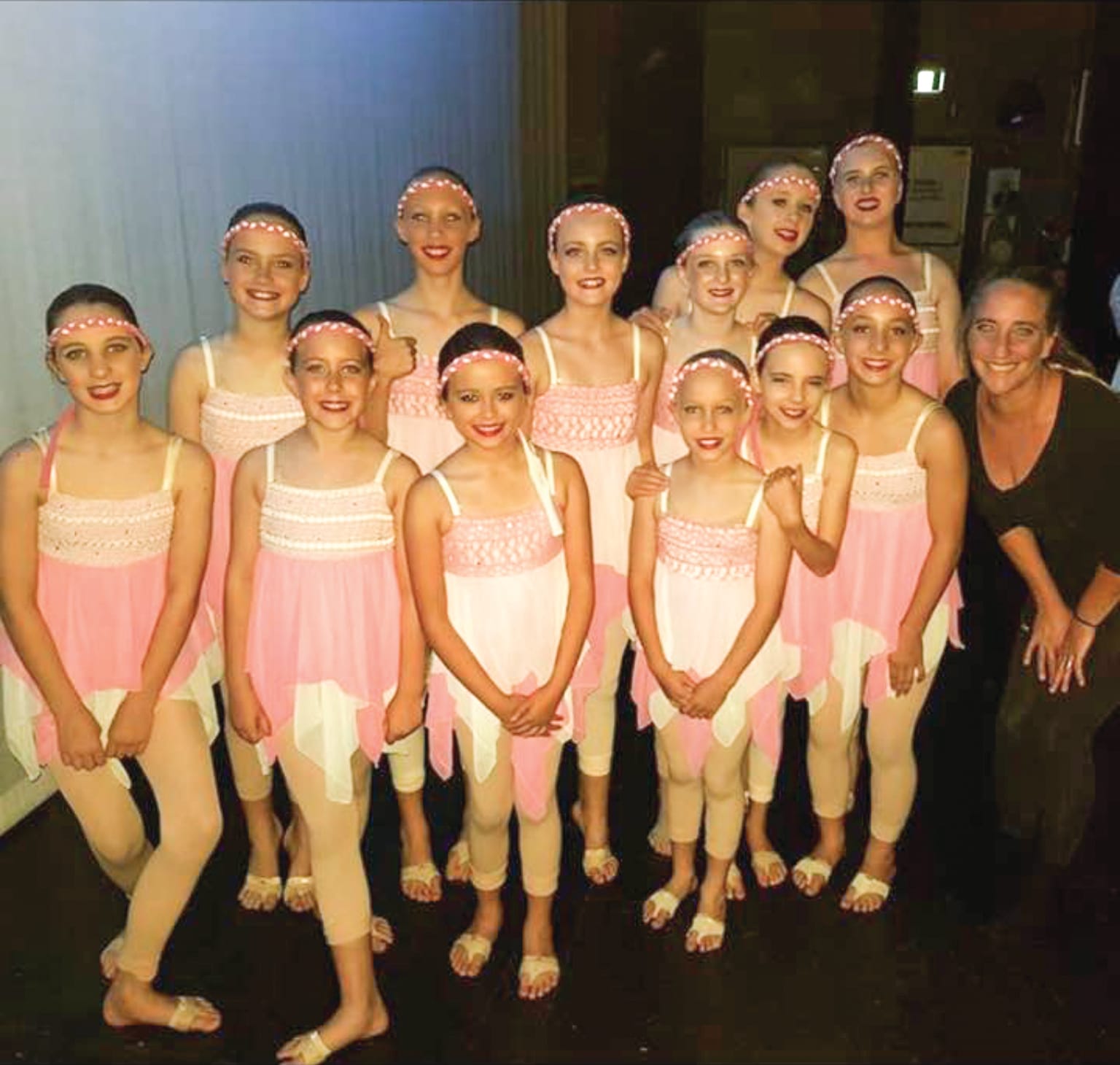
Like dance schools across the state, Phillip Island Dance Studio has been hit hard by the Coronavirus restrictions.


Covid restrictions have hit dance studios hard, with 92 per cent of studio owners worried their businesses won’t survive through to next year. A new report from Ausdance Victoria, the state’s peak body has raised the alarm, saying more support is needed.
Rowena Campbell, who runs the popular Phillip Island Dance Studio said like many dance schools across the state, they were suffering.
But she was loath to complain. “So many people here have lost work, I’m not the only one.”
Like community sports clubs, the closure of a local dance school has a big impact on a community. According to AusSport, dance is the second most popular activity for girls in Victoria, with over 150,000 children attending weekly classes (ABS 2016).
The Phillip Island school, which has over 100 students, closed in March just before the first lockdown was put in place.
“It was all just unknown and scary,” said Rowena.
“People were very stressed. Because we’re non-essential, we were the first to get shut down and last to reopen.”
She said with parents already struggling with homeschooling, the studio took term two off and concentrated on reopening when the restrictions lifted.
“Emotionally and mentally it was hard for me too. Normally I danced for 25 hours a week.”
When she finally got the green light, the re-opened classes ran for just three weeks before the current lockdown.
“The three weeks we had face to face were amazing,” Rowena said.
“The students were very emotional. It was where they wanted to be.”
All up, the studio has only been able to open for fifty days, or ten weeks, this year. While she’s been able to retain all her students so far, Rowena is concerned about what will happen if the school is not able to reopen during term four.
“If we can’t reopen, or we keep getting shut down, the school will go down to small numbers.”
Zoom in
Rowena is now running zoom classes for her students and says the decision not to go online during term two has worked in her favour.
“I’m hearing about Melbourne schools losing students after two terms on zoom. We’ve only got six students unable to do the (online) classes due to family commitments. Parents have really embraced it.”
She believes the classes are vital for the students’ mental health.
“I have been really concerned about them, and I worry about the senior students. My Year 12s have been through a lot. For them, it’s time out from exams and study, a chance to focus on something different. I think there’s been a huge impact on all the students. Dance is an outlet for creativity, mental health and fitness.
“So far, we’ve only done three weeks of zoom and I’m hoping we can reopen soon. It’s been an emotional time. When I shut in term two, I really missed the kids. Seeing them face to face, or even online – it’s just been beautiful.”
Money’s tight
As a sole-trader, Rowena has not been able to access any government grants to help keep the business running.
To date, the online lessons have been free, with no families invoiced since term one.
She’s used her savings to fund the school and is currently surviving on JobKeeper.
“I’ve missed out on any government grants, mainly because I’m a sole trader and I don’t employ anyone. A little bit of government help would have made a big difference.”
She also missed out on the grants handed out by Bass Coast Shire Council.
“When I rang up originally for the first round of council grants, I felt I had a strong case for keeping students engaged for parents who couldn’t afford fees,” she said.
Originally the business grants were supposed to run over two rounds.
“I was advised to wait and apply in the next round for help with performances. But they gave all the money away. Now the next round is for not-for-profits, so we can’t apply.”
Although the Phillip Island Dance Studio has operated for over 20 years, Rowena only took over the business 18 months ago.
Originally operated by Bass Coast Ballet School, Rowena taught at the school for more than 16 years. Then in January 2019 with just two weeks’ notice, Bass Coast Ballet announced it was closing the Cowes studio.
Within a week, Rowena made the decision to take over the school, rather than leaving one hundred students and their families with no teacher. At the time, she told the Advertiser: “I didn’t plan on starting my own studio because I loved the mission of the school, where all money goes back to teaching.
“But it’s not fair to leave kids here without classes. I want to let them know they’re not abandoned.”
The new school continued to operate on a not-for-profit basis, to keep fees low.
“I started the business with no backing, with no money,” Rowena said.
“People think this is an old business because the school has been around for over 20 years. But it’s actually very new. I’ve only worked here for five terms.”
The fledgeling business has no financial buffer and had already paid the full year’s insurance and music fees when Covid hit.
“I hope the insurers are going to give us a bit of a refund, or at least a discount for next year. I also believe One Music (the governing body for music), is going to put a hold on their fees, but I haven’t heard anything yet.”
Rowena said generally dance studios were falling through the cracks.
“It has been a struggle to get the government to recognise dance schools. They’re classed as big gyms.”
Future plans
Despite the Covid uncertainty, Rowena is working on ways to present the school’s Alice In Wonderland end-of-year performance. As well as a way to showcase the students’ achievements, the annual concert is a key fundraiser.
“I’m not sure how that will look – but we do have beautiful beaches to dance on if we have to socially distance,” she said.
“Or if we can’t go to the theatre, we will film in our hall. My main aim is to do something with the students. As long as they are in costume and have something to work towards.”
With five different plans under consideration, covering the cost of the costumes is a major concern. Parents pay a $40 fee for costumes each year, but that usually doesn’t cover the full cost.
“I’d be more relaxed if I had costume suppliers,” Rowena admitted and said she was looking at ways to recycle costumes from last year.
“I just need to get them to the concert. I’ve got children that love to dance. It’s their outlet, it’s their mental health. Children dance because they want to dance and they’re all there because they love it.”
While it’s impossible to predict what will happen in the coming months, Rowena said she will keep dancing.
“I’m just hoping we can open back up and we can survive somehow through to next year and be in a different place.
“At the end of the day, I am a dance teacher and that’s what I do. If we have to start from scratch that’s what we have to do.”


