

Early roadmaking on Phillip Island
Diamond Dolly was the rather glamorous name of a gravel quarry established by the Phillip Island Shire in the 1930s.


The Diamond Dolly quarry
Diamond Dolly was the rather glamorous name given to a gravel quarry established at Rhyll by the Phillip Island Shire back in the depression years of the 1930s.
It was located within the Rhyll Inlet, just behind the Rhyll Cricket Ground.
The current walking path from Conservation Hill to Observation Point, in fact, today passes over the top of it.
It was worked for a number of years before the second world war broke out, to provide gravel for road making on the island.
Road building during those days was a useful supplement to farming income.
But its days were numbered.
Work came to a standstill for the duration of the Second World War.
It re-opened when peace was declared, but by about 1950, it was decided that the quality of the gravel was not good enough to continue, and it closed.
Artie Murdoch, who went on to become superintendent of works with the Shire of Phillip Island, was the powder monkey at Diamond Dolly, while still in his teens.
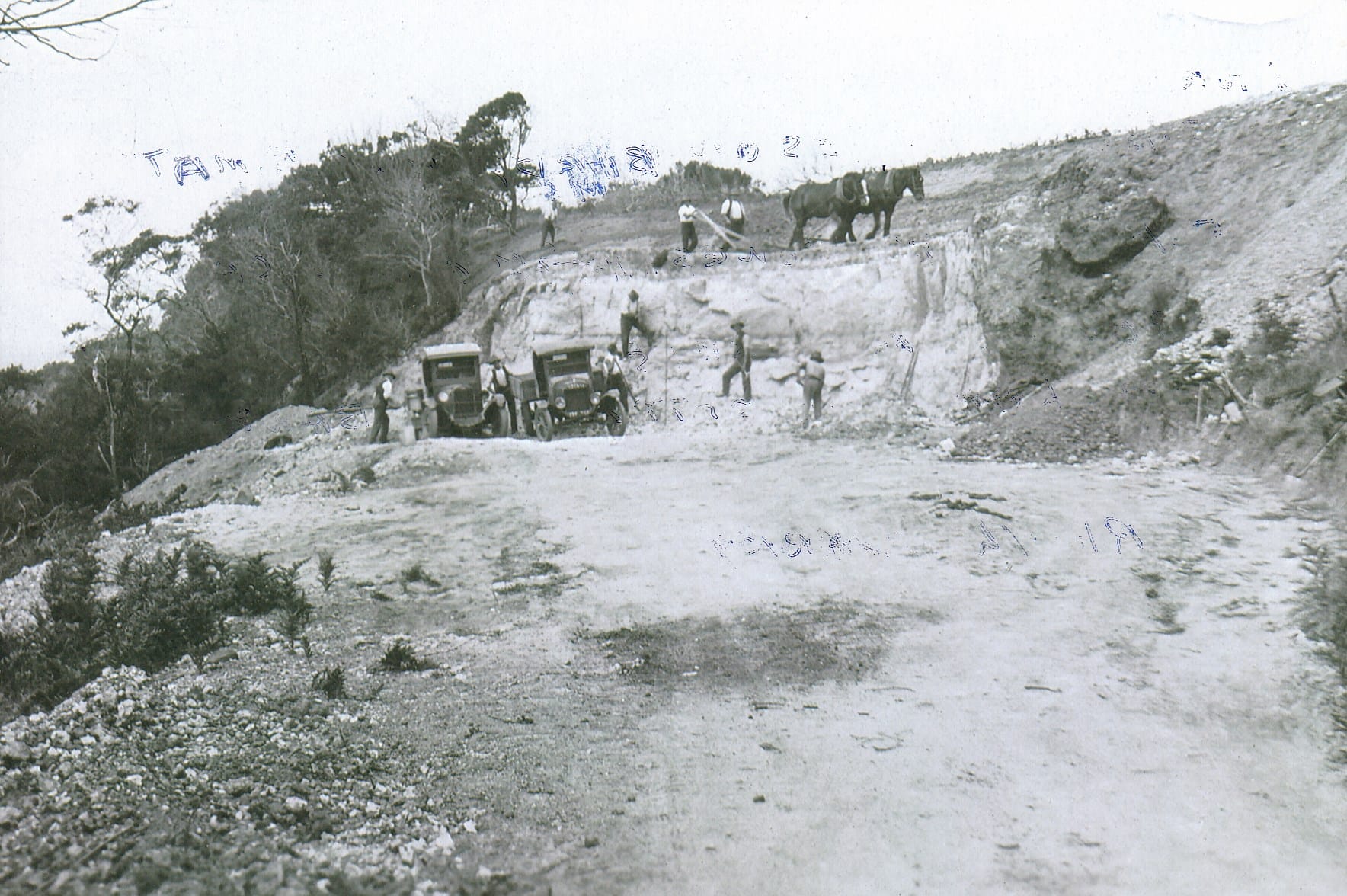
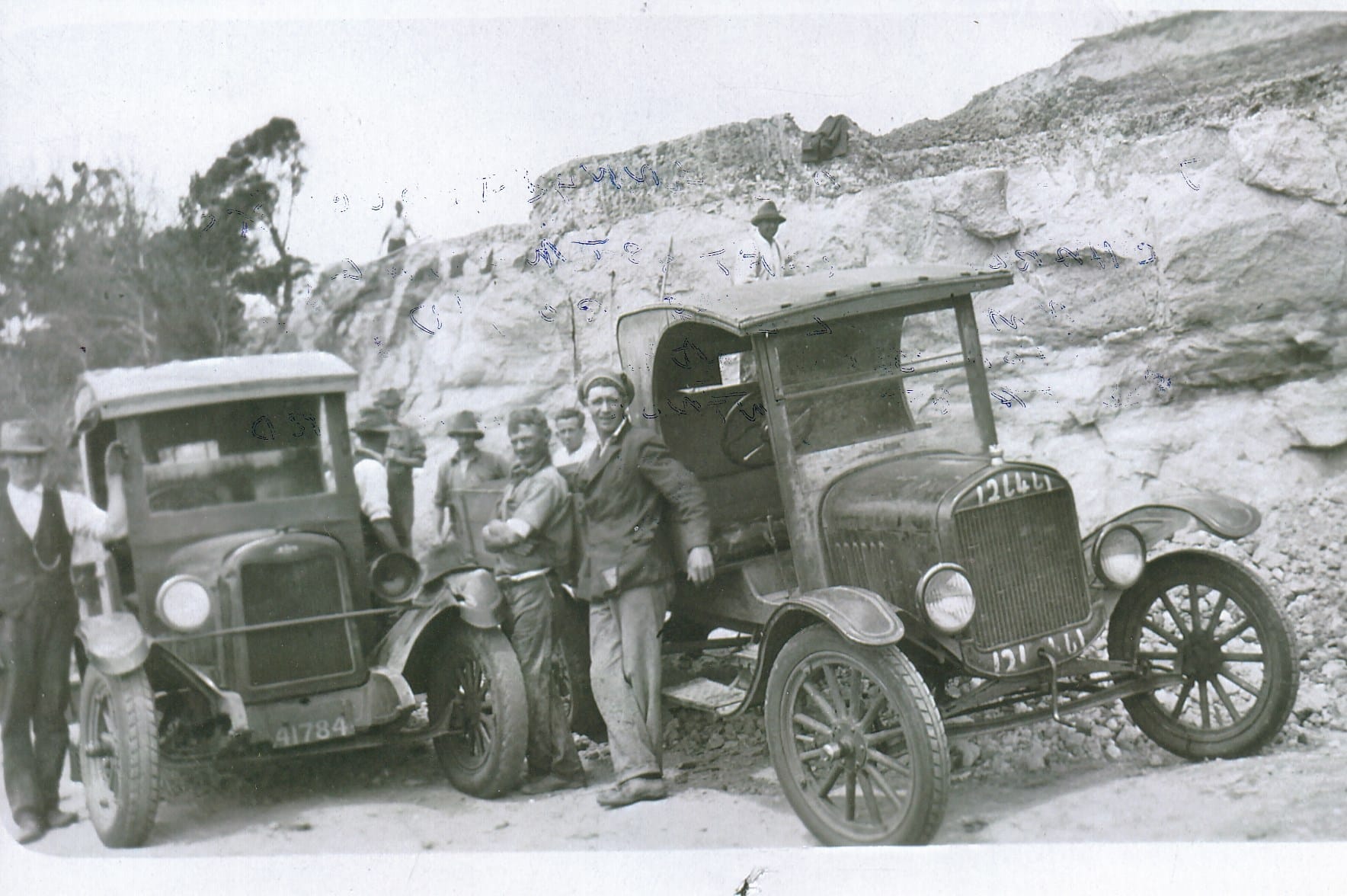
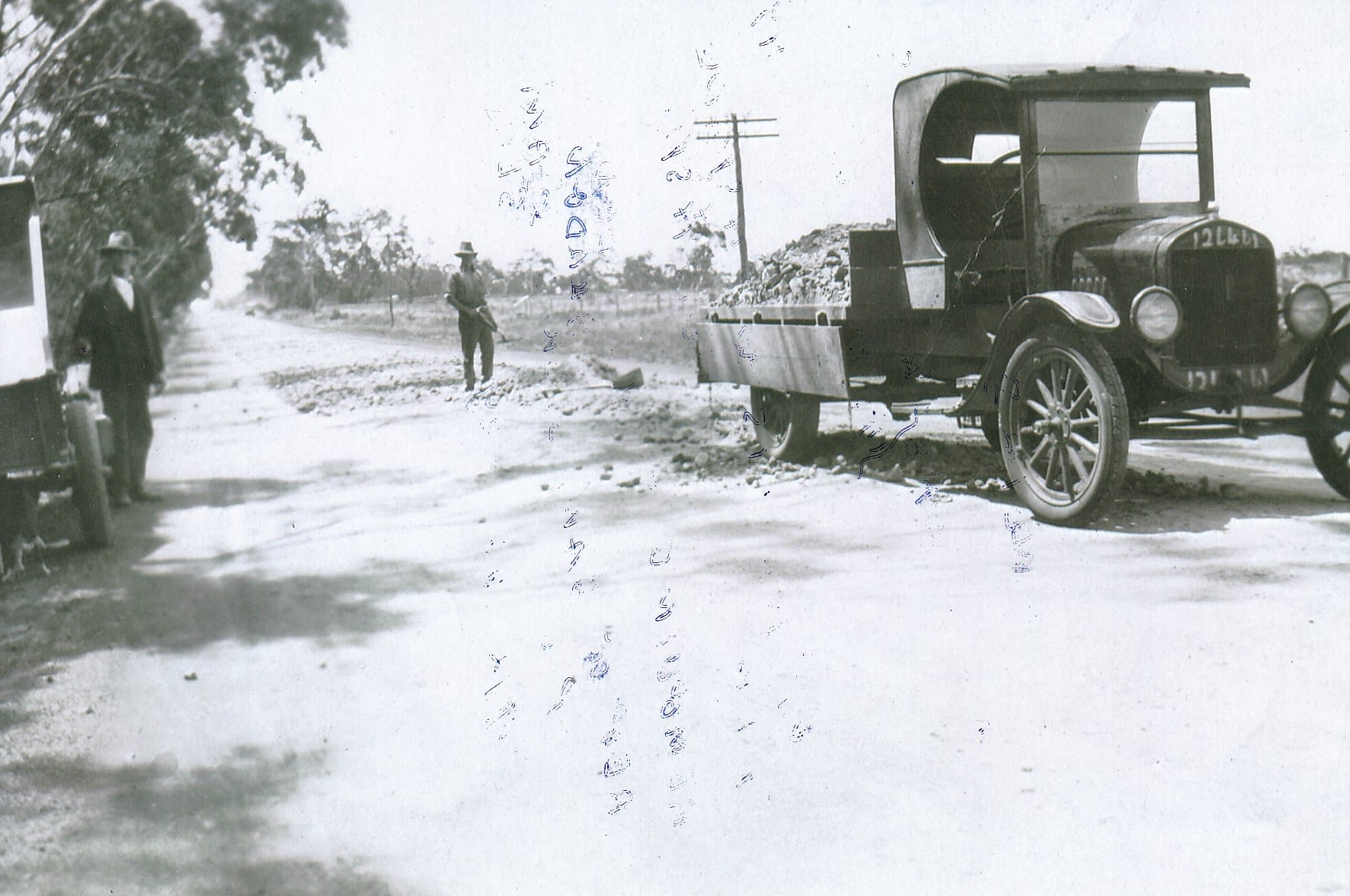
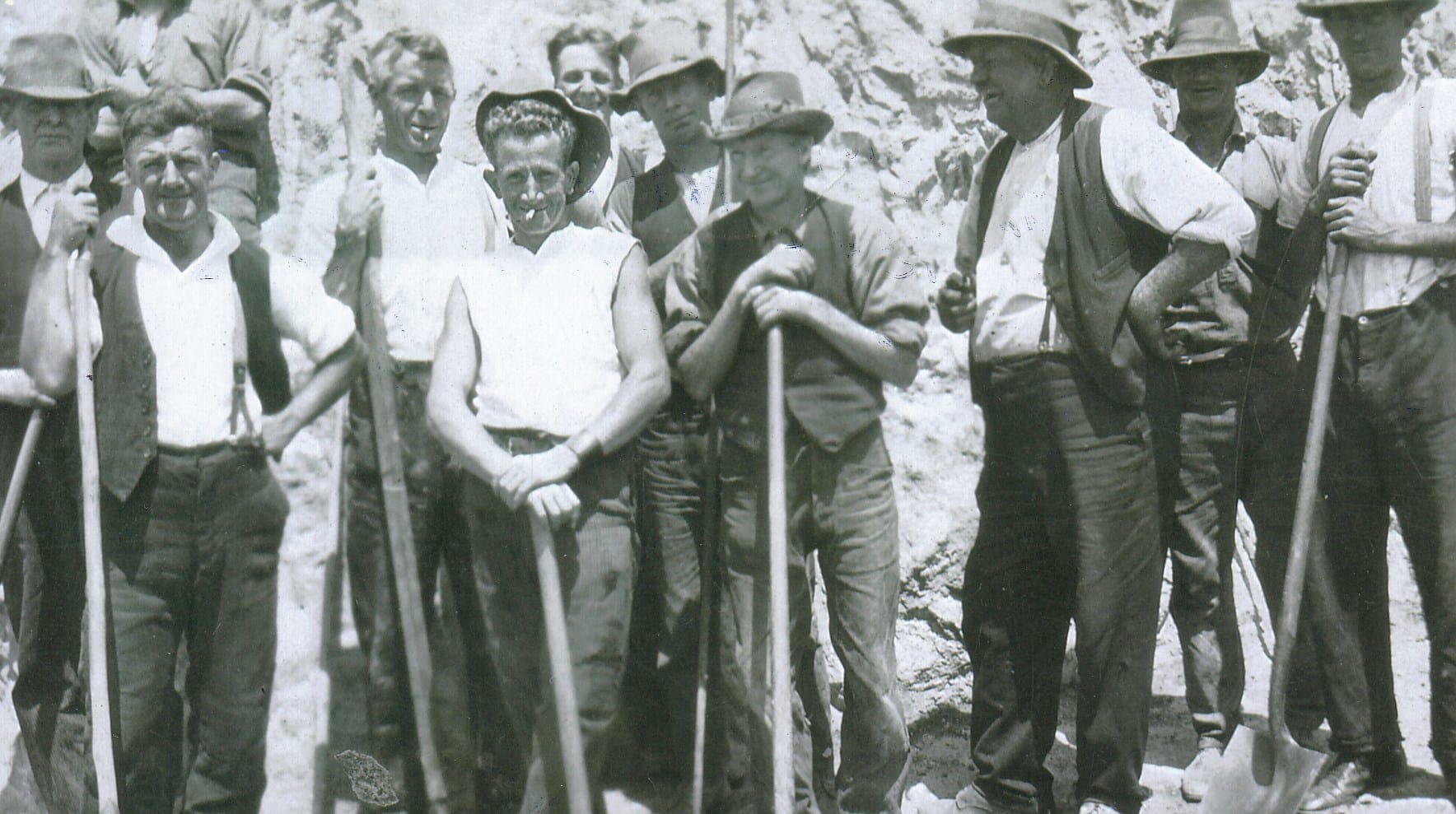
Artie’s grandfather Ted Towns removed the top section of the soil, with the help of the quarry horses Prince and Murphy.
Then Artie, as the powder monkey, blasted part of the cliff, with the resulting gravel loaded into trucks by pick and shovel.
During its short existence, two people were killed during operations there.
One was a bulldozer driver.
He was killed while taking overburden (the top layer) away from the site so that dirt did not penetrate the gravel beneath the surface when it was blasted.
The edge of the cliff gave way and the machine he was in went over the edge with him in it.
The other person that died accidentally drank nitroglycerine out of a bottle.
The man had stopped for lunch, and unfortunately drank out of the wrong bottle.
Artie Murdoch, who lives in Cowes and is now long retired, went on to follow in the footsteps of his father and grandfather who also worked with the Phillip Island Shire.
His father was Superintendent of Works; and his son David was at one stage clerk of works at the Bass Coast Shire.


