

The whales are back
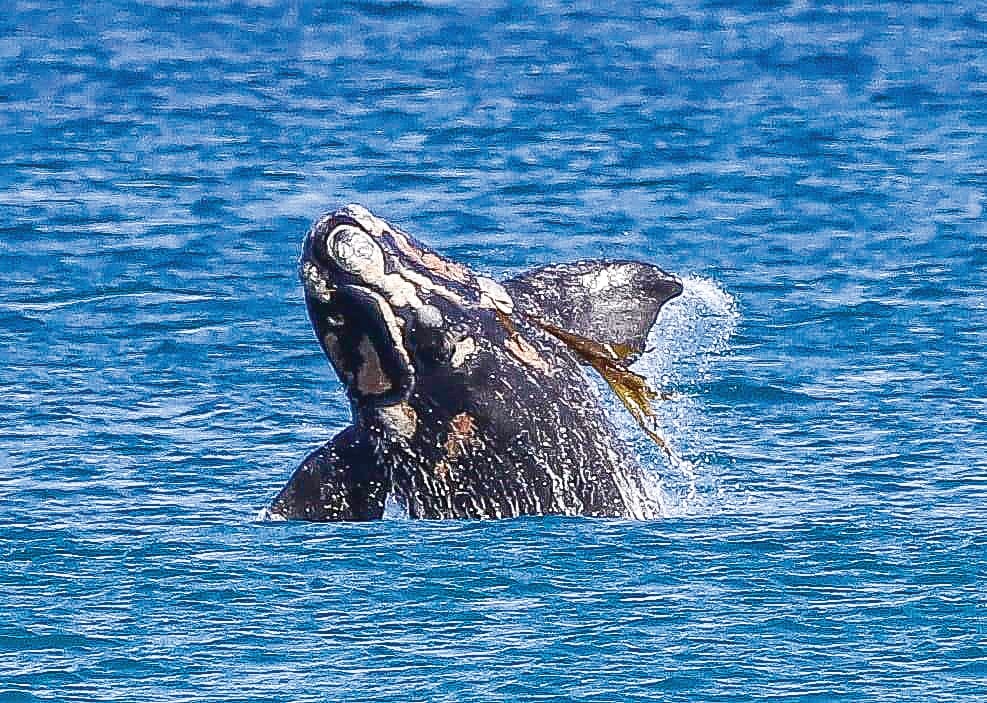
Southern right whales are back in Victorian waters, said the Conservation Regulator this week.


Southern right whales are back in Victorian waters, said the Conservation Regulator this week.
This is good news for those avid whale watchers across the island, but is also a timely reminder to the boating community they aren't the only ones cruising the oceans this winter.
The Conservation Regulator is urging boaters to look out for endangered southern right whales as they visit Victoria's coast to birth and raise their young.
From May to October each year, southern right whales migrate from their sub-Antarctic feeding grounds to warmer waters to rest and calve, and with only around 300 of them left in the south-east population, ocean users need to keep their distance to help protect them.
"Victorians are lucky to have such iconic marine mammals visit our shores every year, and to make sure the species can survive and thrive for years to come, we need boat operators to stay alert, exercise caution, and give whales plenty of space," said Kate Gavens, Chief Conservation Regulator.
These mammals are particularly vulnerable to vessel strikes, and boaters are encouraged to:
- Stay alert: With no dorsal fin, they are hard to spot and can look like floating logs when resting near the surface.
- Slow down: Within 300m of whales, boats must slow to five knots, and within one kilometre of whales, boats should stay under 10 knots. Mothers and calves whisper to each other to avoid predators, and slowing down helps them hear by lowering vessel noise.
- Give them space: Follow distance rules, stay out of their way, and avoid boxing them in. If you find yourself too close to a whale, put the engine in neutral and let them pass.
Sightings
Victoria is also lucky to have humpback whales pass through our coastal waters and they will be most active during their northern migration in June and July, and their southern migration in September and October.
To keep everyone safe, minimum approach distances apply for all whales along the Victorian coast, from Gippsland right through to the far south-west. Swimmers and surfers must stay at least 50 metres away, and for all waters outside of the exclusion zone, boats must keep at least 200 metres, jet skis 300 metres, and aircraft, including drones and helicopters, 500 metres, between them and whales.
The community is once again encouraged to participate in Arthur Rylah Institute's Whaleface project and support whale conservation efforts by reporting sightings and uploading photographs of southern right whales online. Last year, the project recorded 76 sightings along the Victorian coast.
The Conservation Regulator has also selected the southern right whale as one of six native animals featured in its Focus Species program, a new initiative promoting wildlife protection at home and in the wild. The program aims to engage and educate the public on the small actions they can take to help safeguard these animals and all native wildlife. The five remaining species will be revealed when the program is officially launched in the coming months.
Whales are protected in Victoria and breaching minimum distances could result in penalties of more than $3800.
The public can report anyone getting too close to whales to Crime Stoppers Victoria on 1800 333 000. Details such as date, time, location, and descriptions and photos of people or boats will assist investigations.
The return of the whales also means the Phillip Island Whale Festival is just around the corner. This year's festival runs from July 5 - 7.
Tickets on sale soon. Program details at islandwhales.com.au/


