Community encouraged to protect nesting birds this summer
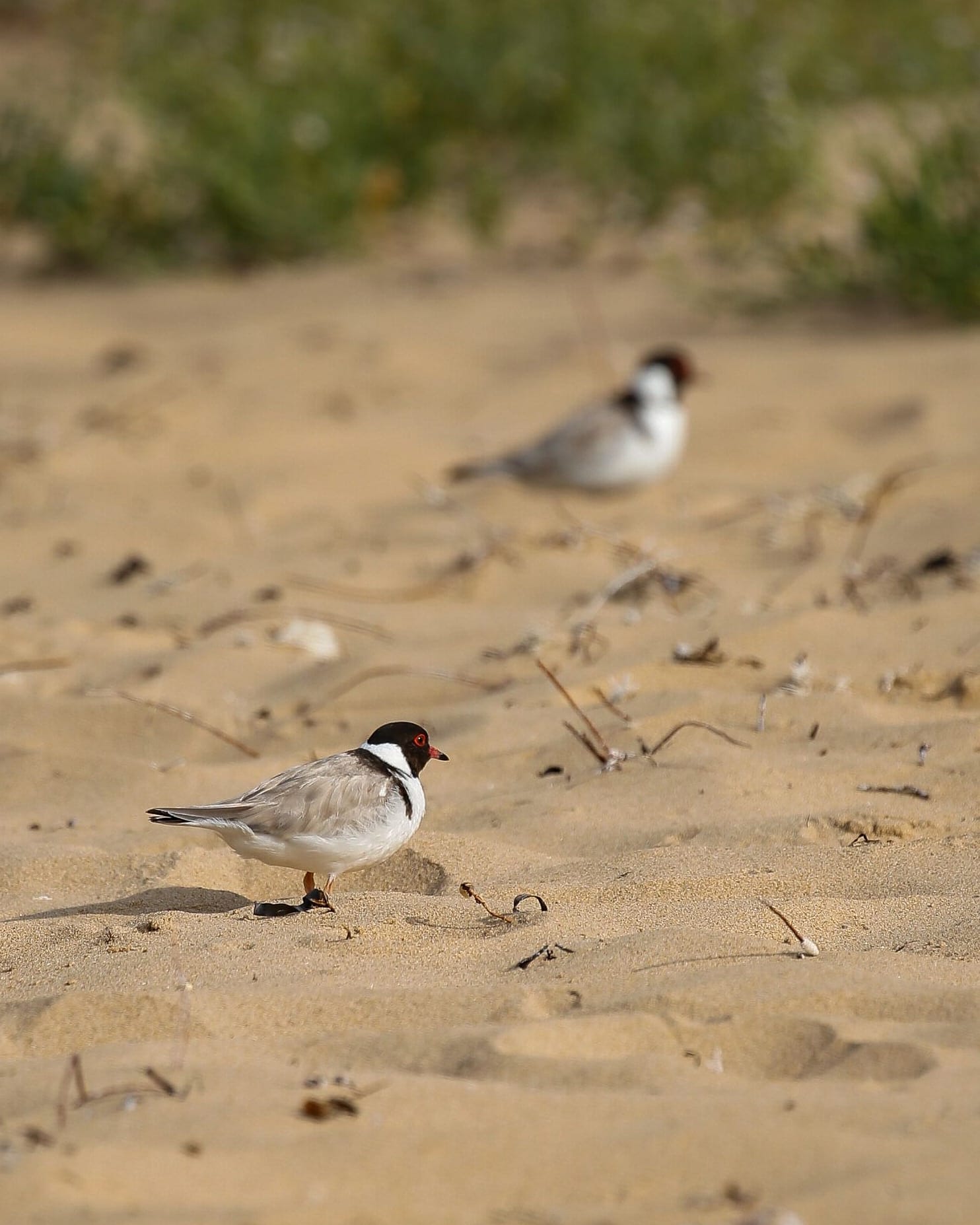
Local communities are being urged to help safeguard threatened hooded plover shorebirds and short-tailed shearwaters to give them the best chance of survival this breeding season.


Local communities are being urged to help safeguard threatened hooded plover shorebirds and short-tailed shearwaters to give them the best chance of survival this breeding season.
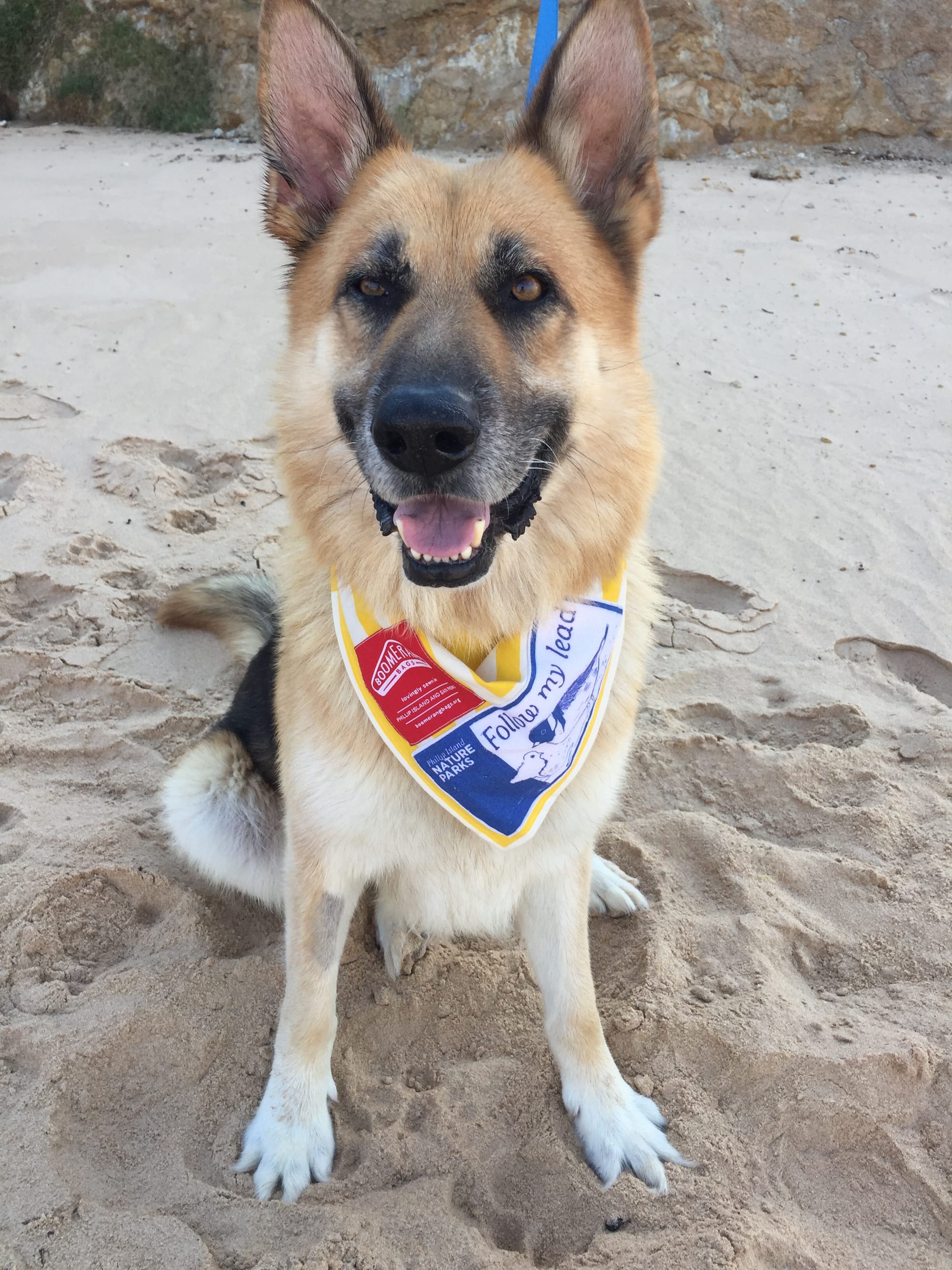
Phillip Island Nature Parks has joined forces with Birdlife Australia, Bass Coast Shire Council and the Department of Energy, Environment and Climate Action for the annual Sharing Our Shores campaign, which aims to protect nesting birds and raise awareness about the importance of keeping dogs on leads and cats indoors.
Each year, the Sharing Our Shores campaign runs from December 1 to April 30, reminding locals and visitors to consider the vulnerable birds, which nest in the high-tide line and sand dunes.
Eggs and young chicks can be camouflaged in the sand, making them difficult to see and at-risk of being trampled by walkers, beachgoers and animals.
Similarly, the migratory short-tailed shearwaters can be susceptible to harm, living and breeding in sand dune burrows from September to May before they fly north in winter.
Birdlife Australia volunteers on mainland Bass Coast are erecting protective fences and signs at particularly vulnerable nesting sites.
The Nature Parks Community Engagement Officer Kim Dunstan said the annual Sharing Our Shores community awareness initiative had proven vital to protect birds and chicks.
"Many people don't realise that these tiny nests are right underfoot," Ms Dunstan said.
"Simple actions like walking below the high-tide line, keeping dogs on leads, walking on designated pathways and boardwalks, and avoiding fenced-off areas make a huge difference to the survival of these birds.
"The beautiful beaches on Phillip Island (Milawul) are for everyone to share - and that includes our local wildlife.
"Giving these birds space and time to nest gives them and their offspring the best chance of survival."
Birdlife Australia's Beach-nesting Birds Project Coordinator Kasun Ekanayake said dedicated volunteers worked hard to safeguard beach-nesting birds on Phillip Island and mainland Bass Coast.
"The volunteers of BirdLife Australia's Friends of the Hooded Plover Bass Coast devote a lot of time and effort towards protecting them on beaches between San Remo and Inverloch," Mr Ekanayake said.
"Working on Phillip Island will help us reach a broader audience to encourage the responsible use of beaches during summer."
Bass Coast Mayor, Cr Rochelle Halstead said everyone has a part to play in protecting the coast's unique environment.
"Phillip Island is such a special place, home to incredible wildlife and stunning beaches. By being a bird-friendly beachgoer, we can all help protect the animals that make this place so extraordinary," she said.
"We're asking everyone to enjoy our beaches responsibly, stick to the paths, keep dogs on a lead, keep cats indoors, steer clear of signed nesting areas and always take your rubbish with you."
The Conservation Regulator's coordinator of Operation SOHO, Han Auld said education played a huge role in protecting native birds and wildlife.
"We'll be patrolling right along the coast to educate beachgoers about how small changes in their behaviour on beaches can make such a difference to the local hooded plover population," Mr Auld said.
For more information about Sharing Our Shores, visit www.penguins.org.au/whats-on