Help keep the skies dark
Phillip Island Nature Parks' Dark Sky campaign helps launch one of the world's most extraordinary migrations.


Wildlife
Phillip Island Nature Parks' Dark Sky campaign helps launch one of the world's most extraordinary migrations.
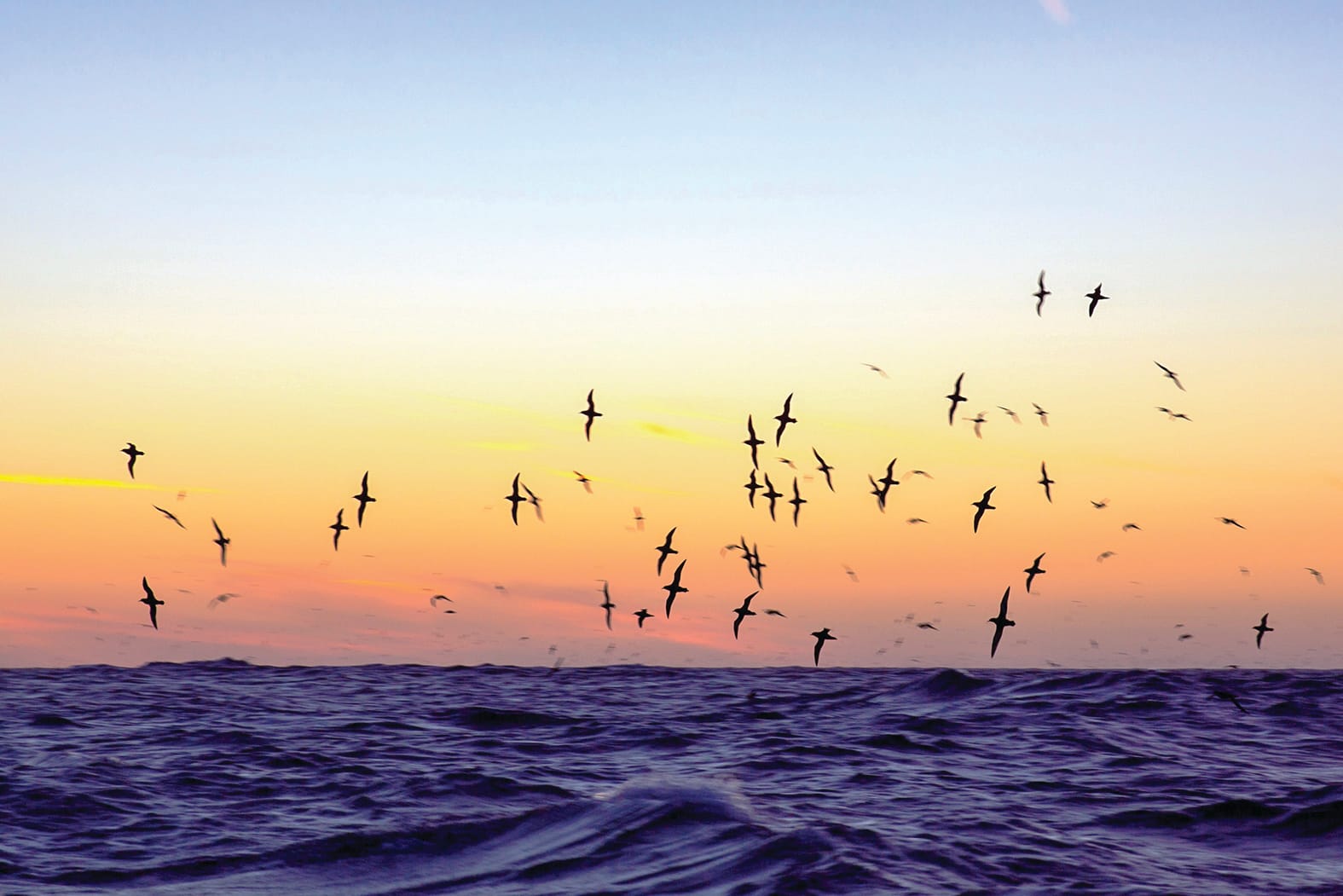
Each autumn, one of nature's most remarkable journeys begins on Phillip Island as thousands of young shearwaters take flight on an epic 14,000-kilometre migration to Alaska.
Raised in burrows along the island's coastline, short-tailed shearwater chicks spend months underground while their parents forage at sea.
Then, in an extraordinary act of instinct, the adults depart and the young birds launch themselves into the night sky alone, beginning a journey across the Pacific Ocean to feeding grounds in the northern hemisphere.
Over a lifetime, these seabirds will travel the equivalent distance of flying to the moon and back.
But before they can begin this incredible migration, the chicks must first reach the ocean safely.
Artificial lighting can disorient the young birds as they take their first flights, drawing them inland instead of toward the sea.
Confused by bright lights from streets, homes and businesses, some birds become grounded on roads and around buildings where they are vulnerable to vehicles and predators.
This April Phillip Island Nature Parks and its partners are asking the community to help create darker skies during the annual Dark Sky So Shearwaters Fly campaign.
The campaign encourages residents and businesses to switch off unnecessary outdoor lights, reduce bright lighting and drive carefully during the shearwater take-off period.
What began as a small local initiative has grown steadily each year, with businesses, community groups and government agencies joining the effort.
The campaign has expanded from targeting around 25 businesses in its first year to a whole-of-island approach, with a goal of more than 65 businesses and hundreds of households switching off their lights in 2026.
"Working together to give shearwaters a dark sky so they can take off safely is a small thing we can all do to help these fascinating birds start their 14,000km journey to Alaska," said Dr Duncan Sutherland, Senior Scientist, Phillip Island Nature Parks.
"Shearwaters are a natural wonder. It's astonishing to think the parents feed and raise their chicks in burrows, then leave them to find their way back to the other side of the world.
Amazingly, millions of shearwater chicks in southern Australia do just that, returning as adults next season to breed, before flying north once again."
Migration rescues
Since 2019, coordinated rescue patrols and response teams working during the migration period have saved more than 1500 shearwaters that were disoriented by lights and grounded on roads and around buildings.
Phillip Island Nature Parks has played a leading role in the campaign through research into light pollution and seabird behaviour, night patrols during the migration period, community education programs and collaboration with local partners to improve wildlife-sensitive lighting across the island.
Recent efforts have included switching off lights on the San Remo Bridge during peak migration nights, installing roadside signage and message boards, implementing traffic management measures and working with councils, lighting experts and businesses to promote best-practice lighting design.
"By switching off outdoor lights and taking extra care on local roads during this time, our community can play a simple but powerful role in helping these chicks safely begin their incredible journey," said Beth Liley, Executive Director (Gippsland), Department of Transport and Planning.
The campaign also forms part of a broader effort to protect the island's night sky, with Phillip Island Nature Parks progressing a Dark Sky Park application to monitor light levels across key wildlife habitats.
Campaign partners include WE-EF Lighting, Phillip Island Conservation Society, Bass Coast Shire Council and the Victorian Government's Department of Transport and Planning, with additional support from AusNet, the Victorian Ornithological Research Group, local businesses, community groups and the Australasian Dark Sky Alliance.
Together, they are helping ensure Phillip Island remains a safe place for wildlife and one of the best places in the world to witness this extraordinary migration.
The Dark Sky campaign runs from April 19 to May 10.
Find out more and get involved at www.penguins.org.au
/ Sponsored article /