TRPI answers the big EV questions
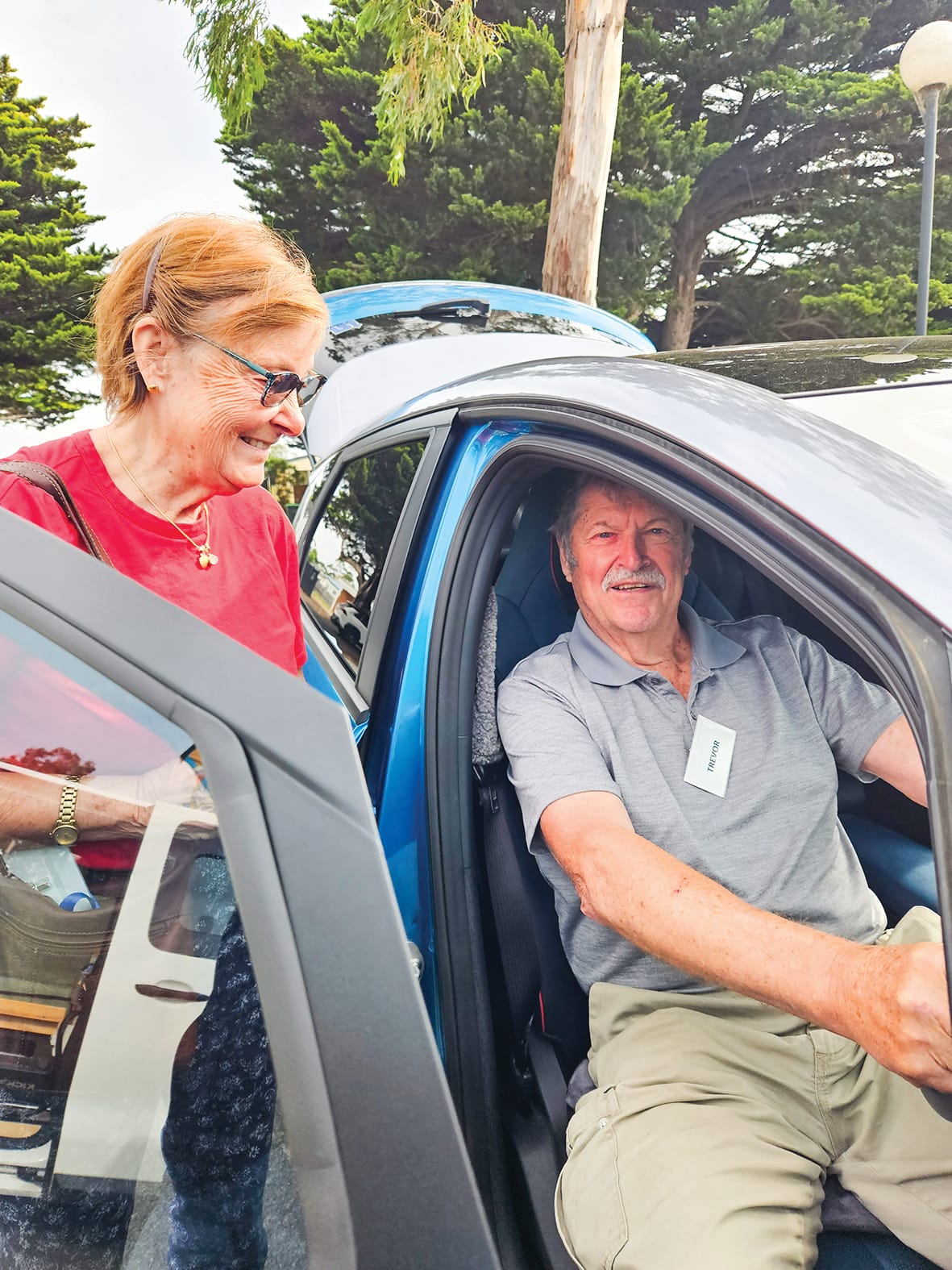
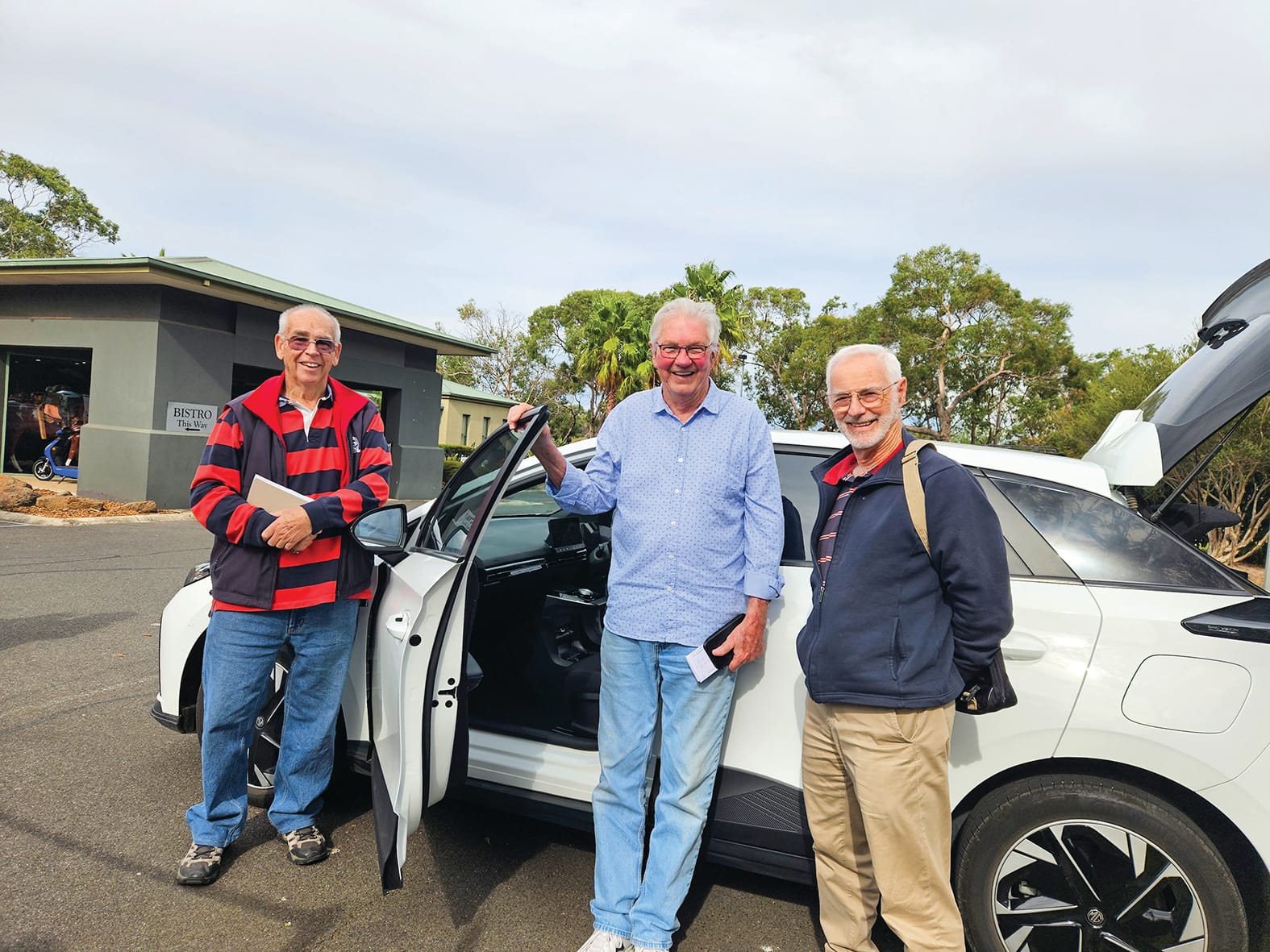
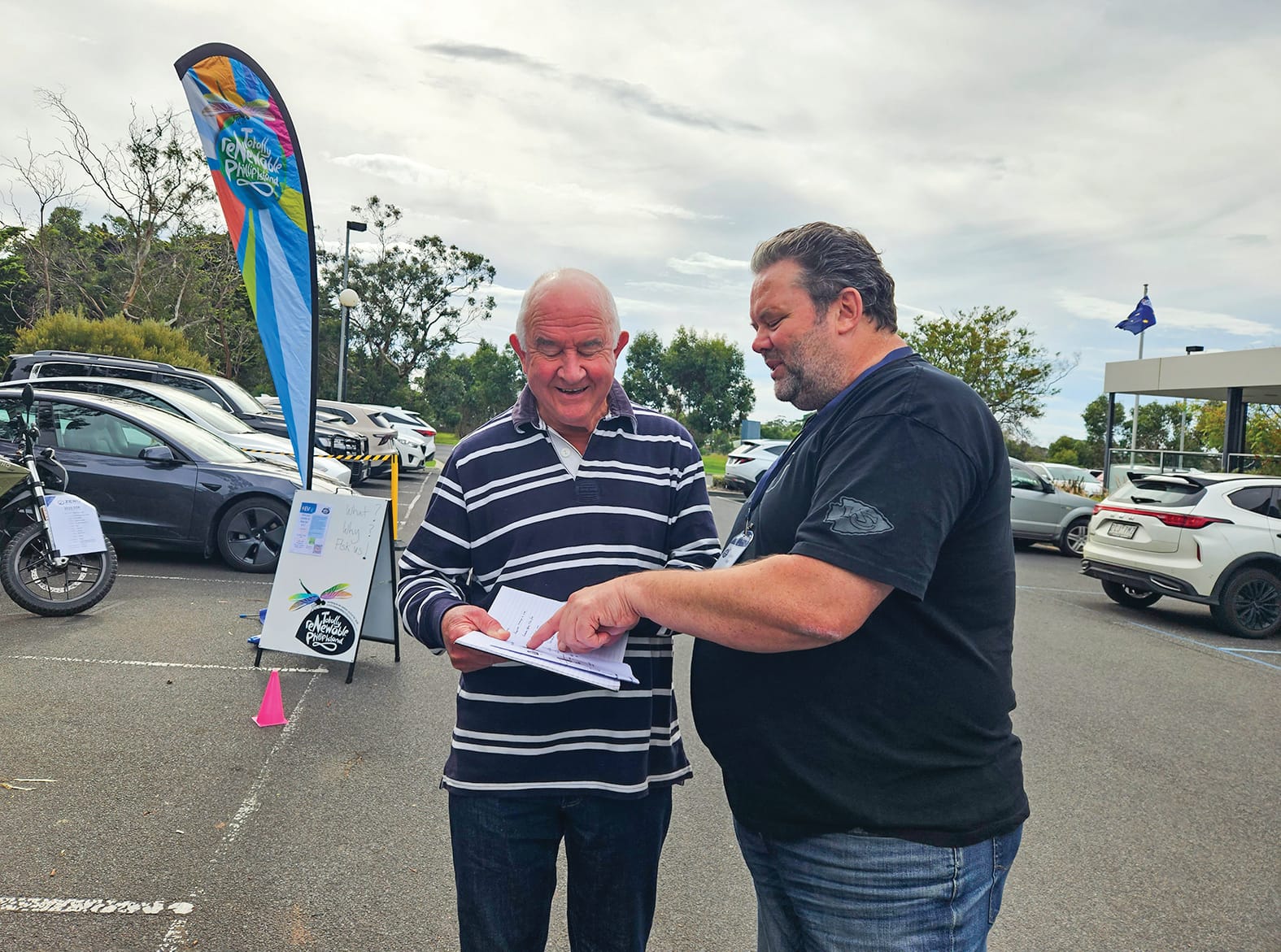
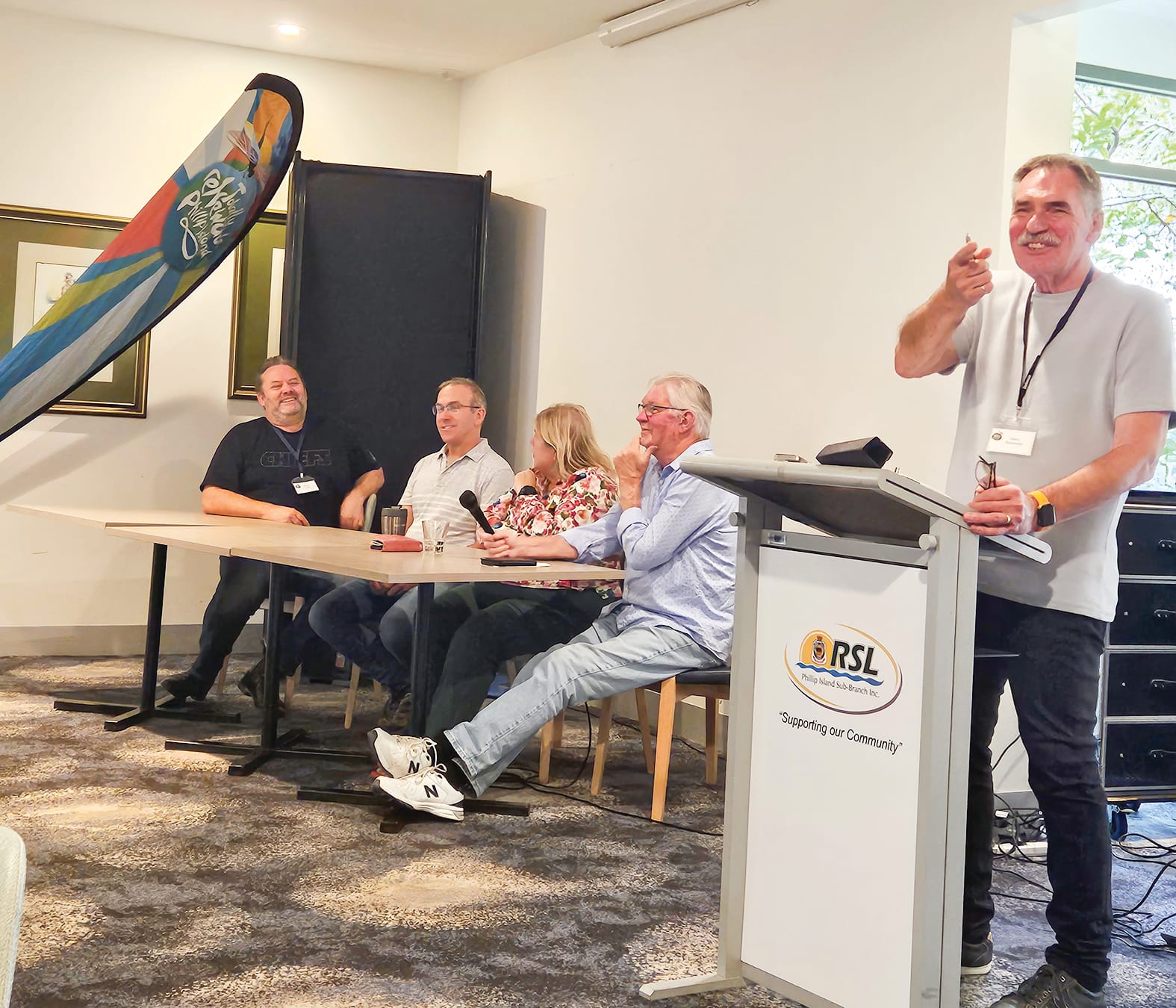
Totally Renewable Phillip Island's (TRPI) EV Information Event attracted 25 local residents on Saturday (May 2), bringing together EV owners


Totally Renewable Phillip Island's (TRPI) EV Information Event attracted 25 local residents on Saturday (May 2), bringing together EV owners, first time explorers, and community members curious about charging, range and the real world experience of going electric.
The session delivered a mix of practical insights, lived experience and myth busting. As Phillip Island resident Tony Norquay put it, the event was "interesting and practical".
Another attendee, Neil Waterhouse, said the discussion "changed my mind - more about range; no one drives a million miles on one charge".
A panel and local Phillip Island EV drivers - Simon Helps, Heather Liney, Jack and Wendy Sheppard, Steve Fuery and Terry Melvin - shared their experiences, with Garry Bussowsky (TRPI) as MC.
A diverse range of vehicles was on display, including Tesla Model Y (450 km), BYD Dolphin (340 km), BYD Seal (600 km), MG ES (450 km), Citroën E Dispatch camper conversion (360 km) and ZERO electric motorbikes (160-180 km).
Panellists cited four main motivations for why locals were switching to EVs.
• Reducing pollution and contributing to climate action
• Moving toward all electric homes with solar and batteries
• Lower running costs by charging at home during solar hours, off peak times or EV tariffs
• Reduced maintenance due to fewer moving parts than petrol or diesel vehicles
Range anxiety
All panellists admitted to early range anxiety, but said it faded quickly as they adapted to new habits.
Most charging happens at home, and longer trips simply require planning around known charging locations.
Attendees heard that EVs can deliver up to 70 per cent fuel savings and around 40 per cent lower maintenance costs, according to NSW Transport data.
Home charging technology has also become more affordable, with one panellist installing a $150 Big W charger plus $600 installation.
Drivers also shared practical charging tips:
• Charge from 20 - 80 per cent for fastest results
• Plan charging stops around natural breaks every two to three hours
• Use apps to map charging stations when travelling
The Electric Vehicle Council of Australia (2025) reports EVs are 20 times less likely to catch fire than petrol or diesel vehicles, based on Swedish data (2023).
Other topics covered included:
• Scheduling charging to maximise solar
• Vehicle to Load (V2L) and future vehicle to home/grid capabilities
• Long distance travel, including crossing the Nullarbor
• Charging in caravan parks
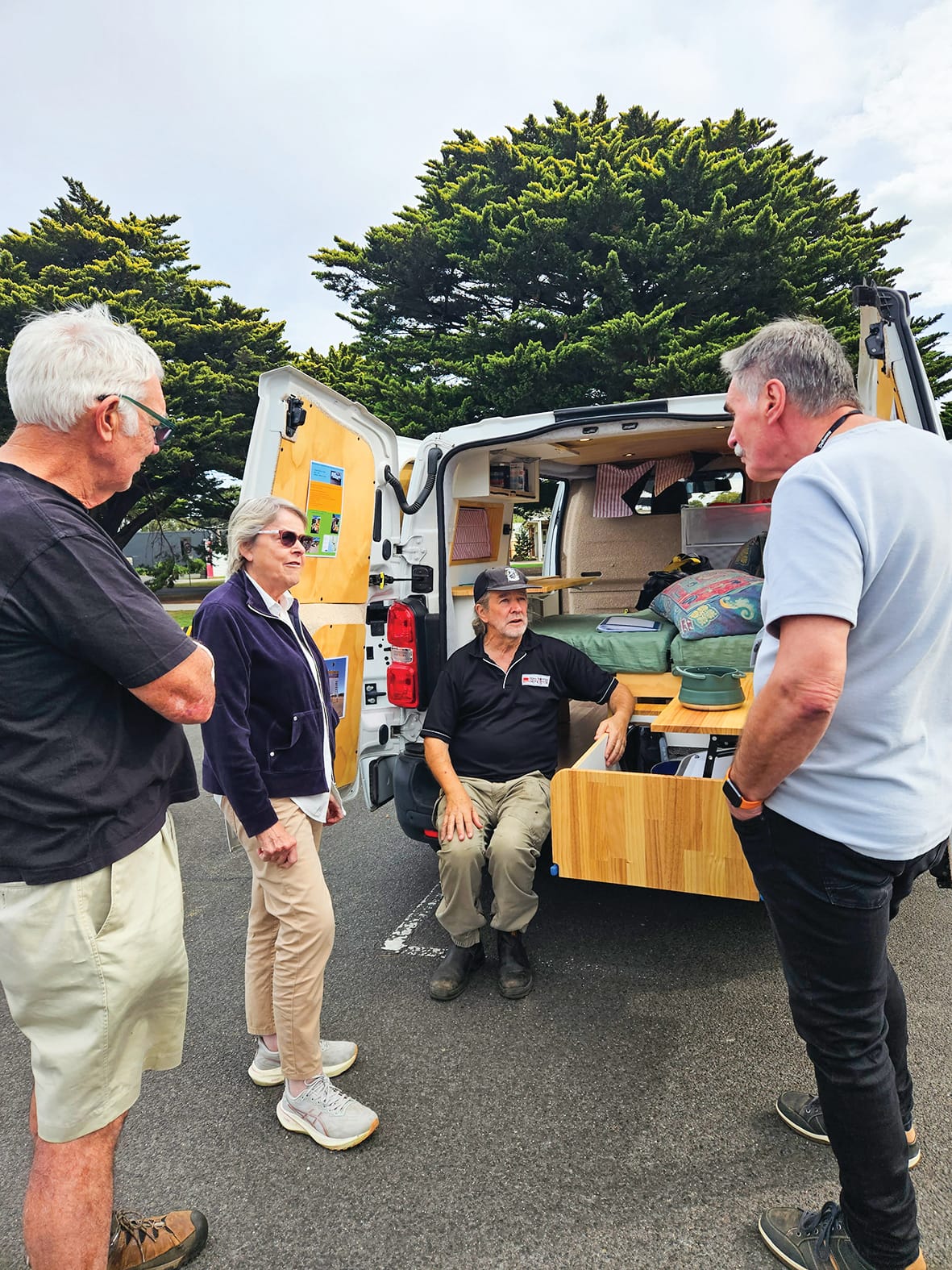
The event concluded with a presentation from Kay Wennagal, who, with partner Mike, converted a pre-owned Citroën E Dispatch into a camper van.
In 2025 they travelled 1580 km from Melbourne to William Creek, charging mostly overnight in caravan parks for around $400 total.
Their friends in a diesel 4WD spent $2500 on fuel for the same trip.